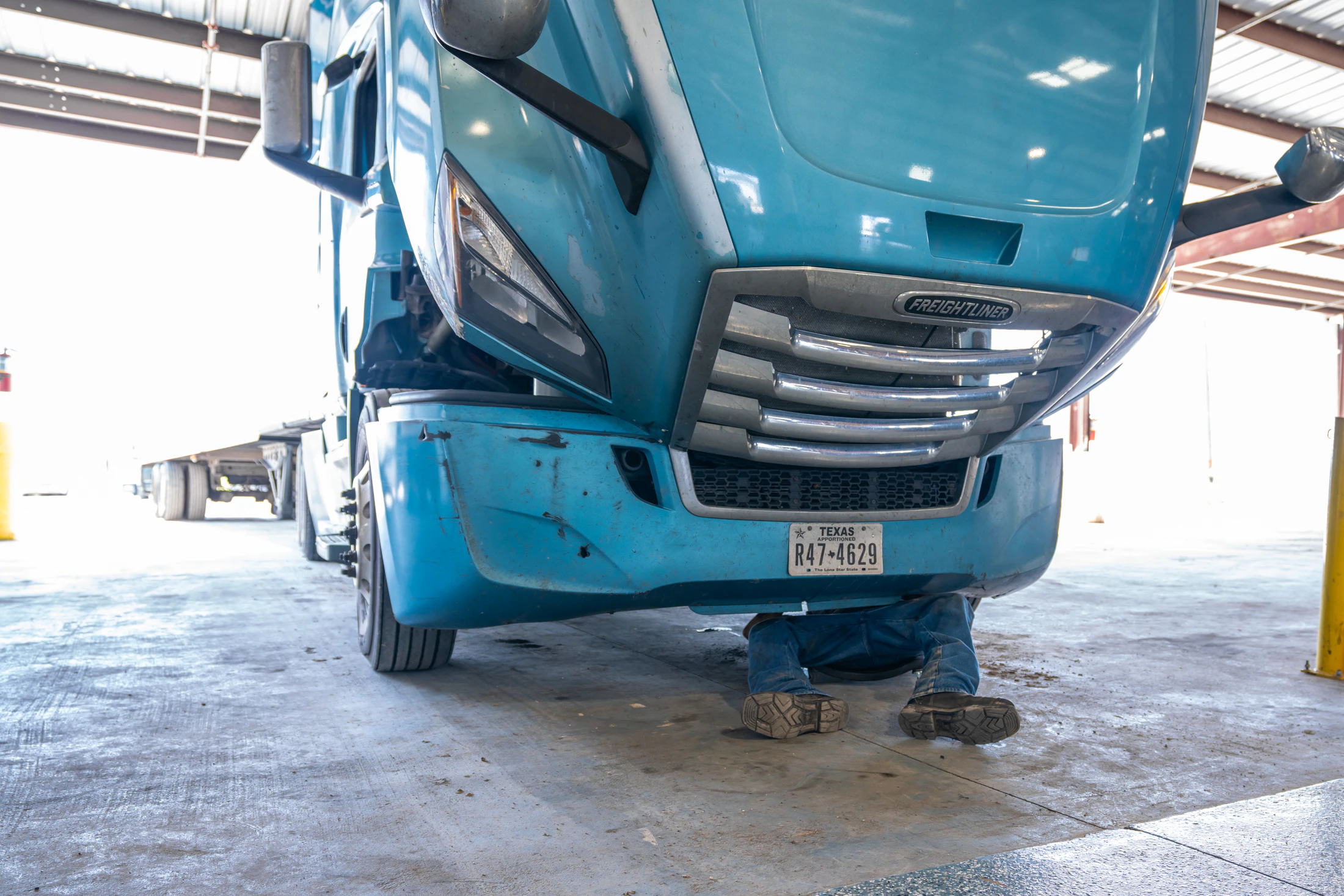
5 Hidden Causes of Poor Truck A/C Performance Most Drivers Overlook In Summer
5 Hidden Causes of Poor Truck A/C Performance Most Drivers Overlook In Summer
Summer heat stresses your truck’s A/C in Charlotte, NC, where high temps and humidity quickly build inside the cab. Weak A/C can harm driver comfort, focus, and route efficiency. Drivers often assume refrigerant issues when vents blow warm air, but other factors like refrigerant flow, airflow, heat exchangers, electrical systems, and cabin ventilation also matter. Any shortfall can cause poor A/C performance, especially during idling, traffic, or heavy workloads.
Here are five hidden causes of weak A/C that drivers often overlook.
1. Restricted Condenser Airflow
The condenser releases heat from the refrigerant before it continues through the system. Located at the front of the truck, it collects bugs, grit, dust, leaves, and debris. These materials clog the fins, reducing airflow and heat transfer.
This issue worsens at idle, as airflow relies more on the fan when stopped or slowed, causing a restricted condenser to make vents shift from cool to lukewarm. Signs include:
- Cold air while driving, but warm air while parked
- Reduced cooling in heavy traffic
- Visible debris packed into the condenser fins
- A/C pressures that run higher than expected
- Cooling improves after the front heat exchangers are cleaned
A proper inspection should include the condenser, radiator face, charge-air cooler, and stacked cooling components. Cleaning must be careful and controlled to avoid bending condenser fins, which can further restrict airflow.
2. Weak Cooling Fan Or Fan Clutch Operation
A truck may have enough refrigerant but still struggle to cool the cab if the cooling fan fails to move enough air across the condenser. This is a common reason for A/C performance to drop at idle but improve when the truck is moving.
The cooling fan controls engine temperature and A/C condenser performance. At low speeds, it pulls air through the condenser to help the refrigerant release heat. If the fan clutch engages late, slips, cycles improperly, or fails to engage under load, the condenser can't perform effectively. Drivers may notice:
- Weak cooling at idle
- Improved cooling at road speed
- Higher engine temperature in traffic
- Intermittent fan engagement
- A/C performance that varies with engine speed
This cause is easy to miss because the symptom appears inside the cab, while the underlying issue sits at the front of the cooling package. During commercial truck A/C service, the fan clutch, electrical controls, relays, pressure switches, and airflow path should all be checked before adding refrigerant.
3. Incorrect Refrigerant Charge
The refrigerant charge must match system specs. Too little limits heat absorption; too much raises pressure, reduces cooling, strains the compressor, and causes warm air. Low refrigerant suggests leaks at hoses, fittings, seals, service ports, the condenser, compressor shaft seal, or evaporator.
Top-offs may temporarily improve vent temperature but don't fix leaks. Overcharging occurs if refrigerant is added without measuring the charge.
Warning signs may include:
- A/C that cools slightly but cannot keep up in the heat
- Compressor short-cycling
- Oily residue near fittings or hoses
- Hissing near a leak point
- Repeated loss of cooling after a recharge
Refrigerant handling needs proper recovery, recycling, and charging tools. Venting refrigerant is illegal federally, and standards ensure accurate recovery and recharging.
4. Moisture Or Contamination Inside The System
Moisture and contamination reduce A/C performance. The receiver-drier manages moisture and debris but can become saturated once opened or contaminated. Moisture causes corrosion, acid, and restrictions; debris from wear or failure circulates, affecting refrigerant flow. This results in inconsistent cooling and abnormal pressure readings, with symptoms including:
- Cooling that starts strong but then fades
- Frost near the A/C lines or fittings
- Unusual compressor noise
- Repeated failures after prior repairs
- Pressure readings that do not match normal system operation
Proper fleet A/C repair should go beyond replacing failed parts; if debris or moisture are present, it may require flushing, replacing the dryer or accumulator, evacuating, and recharging.
5. Restricted Cabin Airflow Or HVAC Door Problems
Not all cooling issues originate under the hood. The A/C may produce cold air but struggle to circulate, caused by a clogged cabin filter, dirty evaporator, weak blower, blocked vents, or blend door problem. These can weaken the system even if refrigerant pressures seem normal.
A clogged cabin air filter reduces airflow, slowing cooling, straining the blower, and limiting air volume at all speeds. It can also cause evaporator icing. Blend door issues, like sticking or actuator failure, can mix heated with conditioned air, leading to warmer air, uneven vent temperatures, or unresponsive controls.
Watch for:
- Weak airflow from the vents
- One side of the cab is cooler than the other
- Clicking behind the dash
- Musty odors from the vents
- Temperature changes that do not match the control setting
These issues can be overlooked as they don't always cause obvious symptoms. During summer truck maintenance, inspect cabin filters, blower operation, duct restrictions, HVAC controls, and the refrigerant system.
Why Summer Exposes Minor A/C Problems
Hot weather stresses weak components as engine heat rises, requiring more cooling. Idling, heavy loads, city traffic, and sun exposure can cause small issues to lead to failures. Heavy-duty trucks, which often idle, haul, work in dusty areas, and run long hours, are especially vulnerable. Heat exchangers collect debris, hoses age, seals dry, electrical loads increase, and refrigerant leaks become more noticeable during peak A/C use.
A seasonal inspection can help identify:
- Low refrigerant caused by leaks
- Dirty condenser or evaporator surfaces
- Weak blower output
- Damaged belts or hoses
- Fan clutch concerns
- Compressor noise
- Electrical or control faults
Preventive checks are especially valuable for fleets because A/C failures often result in driver complaints, unscheduled downtime, and avoidable repeat repairs.
Practical Checks Drivers Can Perform
Drivers should not open the refrigerant system or handle refrigerant without approval. But, some basic checks can narrow the cause before scheduling A/C repair in Charlotte, NC. Check whether:
- The A/C cools more effectively while driving than while idling
- Airflow feels strong at all blower speeds
- The condenser face appears dirty or obstructed
- The compressor engages and disengages repeatedly
- Unusual noises occur when the A/C is turned on
- The cab smells musty when the air first comes through the vents
- The temperature gauge rises in traffic
- Oily residue appears near visible A/C fittings or hoses
These checks don’t replace professional diagnostics but clarify concerns. A technician can test pressures, inspect airflow, verify fan operation, check electrical commands, and confirm charge level with proper equipment.
Keep The Cab Cool And The Route On Schedule
Poor truck A/C issues rarely stem from a single fault. Symptoms can mimic problems like a restricted condenser, weak fan clutch, incorrect refrigerant charge, moisture, or airflow issues. Accurate diagnosis is essential for proper repair.
For reliable mobile truck A/C repair in Charlotte, NC, contact Peters Mobile Services. Whether your truck cools poorly at idle, blows warm air in traffic, or struggles in summer, a professional inspection can restore comfort, protect components, and minimize downtime.
Mobile Services
Mobile Diesel Services We Provide
We help keep your trucks and trailers moving with full-service mobile maintenance. Whether it’s a scheduled fleet check or a last-minute service call, we come equipped and ready. Our mobile services include DOT inspections, diagnostics, fluid and oil changes, trailer maintenance, battery checks, and more. No matter the job, we do it fast and on-site.
Testimonials
See what our customers are saying about our work

Odyssey
Nicholas